
Simple Home Ant Fixes Often Miss the Real Source of the Problem
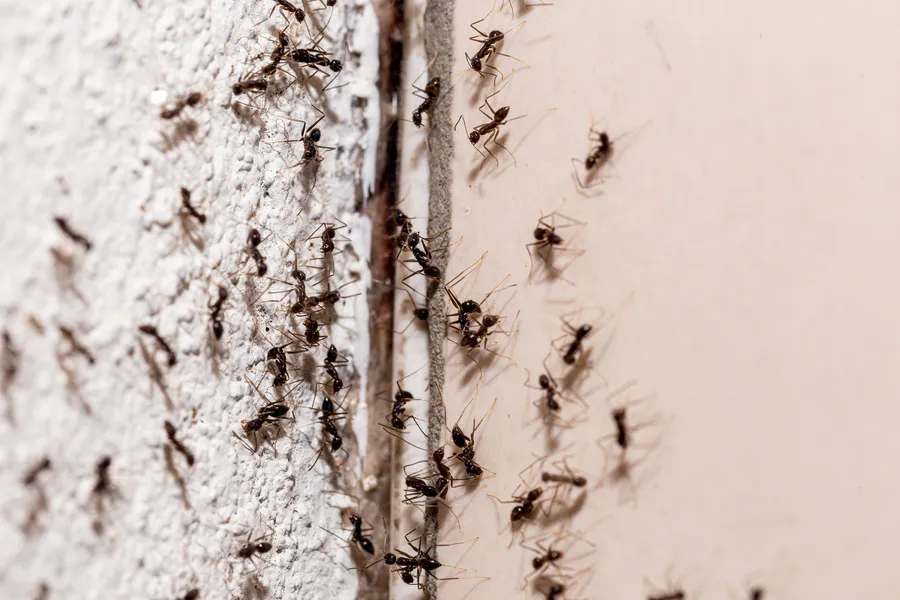
DIY ant treatments may fail because they often kill only the ants you can see, not the nest that keeps sending more ants back. Some products also repel ants instead of wiping out the colony, which can make the problem spread to new spots. If ants keep coming back, if you see large trails, or if they show up in more than one room, it may be time to get help from a pest expert in Sulphur, LA.
Common Signs Your Ant Problem Is Bigger Than It Looks
Many people start with a spray from the store and hope the ants will be gone the next day. Sometimes that works for a very small issue. But ant problems are often deeper than they seem. A few ants on the counter can mean a nest inside a wall, under a slab, or near the home’s foundation.
Here are some common signs that DIY ant control may not be enough:
- Ants return a day or two after treatment
- You see long ant trails more than once a day
- Ants show up in the kitchen, bathroom, and garage
- Winged ants appear inside the home
- You find piles of dirt or nesting material near cracks
- The problem gets worse after using spray
These signs often point to a larger colony or more than one nest. That is why the first result from DIY work can be misleading. The ants may seem gone for a short time, but the main source is still active.
Why Home Treatments Often Do Not Solve the Real Cause
Ants are good at finding food, water, and shelter. They also leave scent trails for other ants to follow. A basic spray may kill the ants on the trail, but it does not always reach the queen. If the queen stays alive, the colony can keep growing.
There are a few common reasons store products fail:
- The wrong product is used for the ant species
- Bait is placed in the wrong area
- Sprays break up trails before bait can work
- The nest is hidden in a hard-to-reach spot
- Moisture problems keep attracting ants back
- Food crumbs or pet food give ants a steady food source
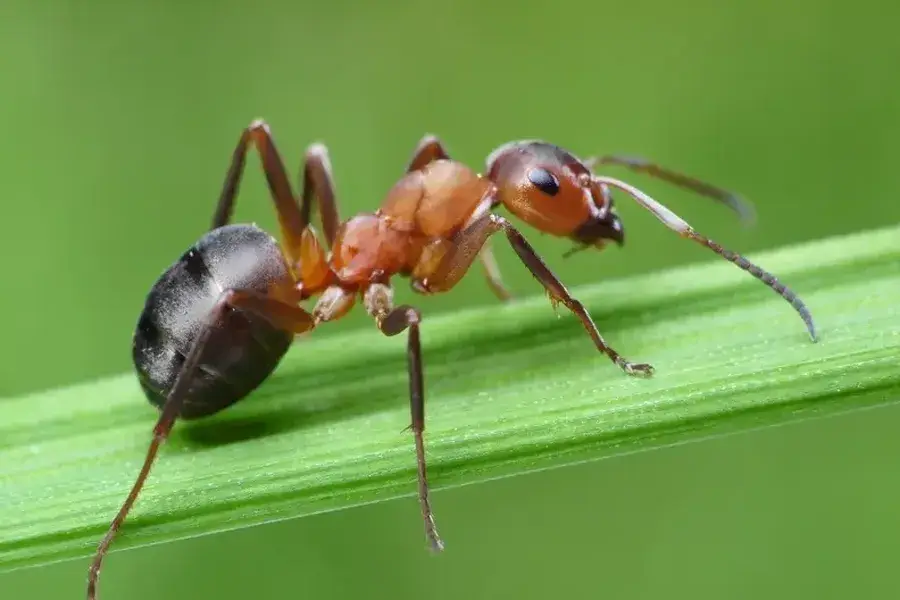
Different ants act in different ways. Some like sweets. Others go after grease or protein. Some build nests outdoors and come inside to feed. Others may nest inside walls. Good ant control depends on matching the treatment to the ant and the nesting pattern. That is one reason a simple one-size-fits-all method may fall short.
Even the service category keyword can fit here in a broad way, since many pest issues need the right plan, not just a fast spray. When the cause is missed, the treatment often misses too.
What to Check First Before You Try Another DIY Fix
Before spending more money on more products, take a close look around the home. You want to find what is drawing the ants in and where they may be entering.
- Check kitchen counters, sinks, and floors for crumbs or spills.
- Look around pet bowls, trash cans, and pantries.
- Inspect windows, door frames, and baseboards for gaps.
- Look for water leaks under sinks or near appliances.
- Watch where ant trails begin and where they disappear.
- Check outside near the foundation, mulch, and utility lines.
This quick check can help you spot patterns. For example, ants near the dishwasher may point to moisture. Ants near a window may point to an entry gap. Ants around baseboards may point to a wall void nest. If you do not find a clear source, that can be a sign the nest is hidden and harder to reach.
Safe Fixes You Can Try and When Expert Methods Make More Sense
Some small ant issues can improve with good cleaning, sealing entry points, and using the right bait in the right place. If you use bait, be patient. Ant bait often works slowly because ants carry it back to the colony. Killing every ant on sight can stop that process and reduce results.
Safer steps for a small problem may include:
- Wipe up food and drink spills right away
- Store snacks and dry goods in sealed containers
- Fix leaks and dry damp areas
- Seal small cracks around doors and windows
- Use bait where ants are active, not random spray everywhere
Still, some infestations need more than basic cleanup and bait. Large colonies, repeat infestations, carpenter ants, and ants in wall voids often need a trained approach. Professional ant control can help identify the species, trace nesting sites, and use products in a more exact way. That can save time and cut down on trial and error.
How to Help Prevent Ants From Coming Back
After ants are gone, simple habits can help lower the chance of another problem. Prevention matters because ants are always searching for easy food and water.
Try these habits for better long-term results:
- Keep counters and floors clean every day
- Take out trash often and keep lids closed
- Trim plants away from the house
- Keep mulch and debris away from the foundation
- Seal utility gaps and wall cracks
- Fix plumbing drips as soon as you notice them
If ants return again and again, prevention alone may not be enough. Repeat activity usually means the colony is still nearby or a new colony has moved in fast.
When to Reach Out for Help
We can help if ants keep coming back after DIY work, if the problem spreads through the home, or if you are not sure what kind of ants you have. Our team works with homeowners in Sulphur, LA to find the source and build a plan that fits the problem. Contact Rid-A-Bug to learn more about ant control or call (337) 527-0067 to speak with us about the next step.