
Why These Pests Come Inside, What They Do, and What Their Habits Can Tell You
Mice and rats come indoors for three simple reasons: food, water, and shelter. Once inside, they follow walls, hide in dark spots, and stay close to places where they feel safe. Their behavior can help explain where they entered, what they want, and how big the problem may be. In homes and buildings around Sulphur, LA, these signs often show up in kitchens, attics, garages, basements, and wall spaces.
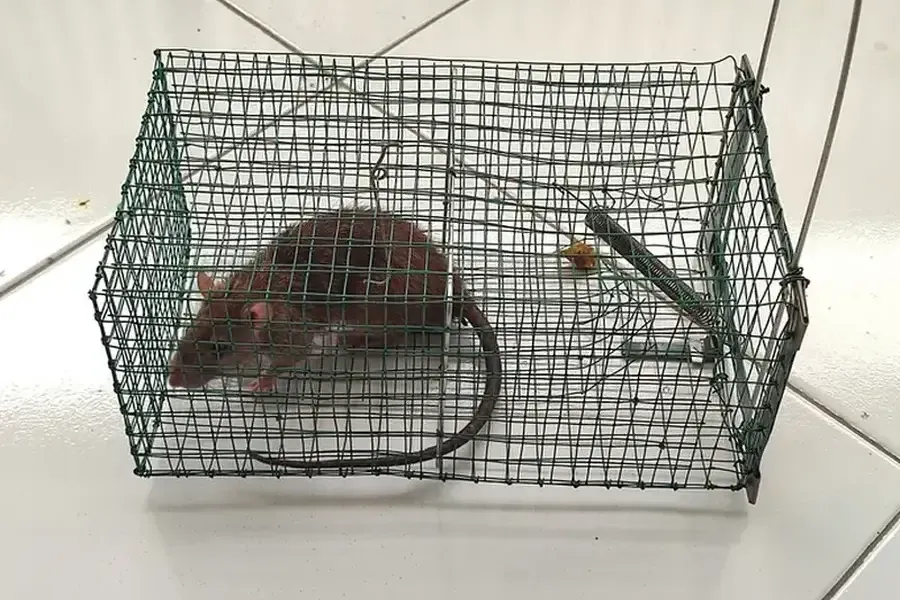
Quick Diagnosis Summary
If you hear scratching at night, find droppings, or notice chewed food boxes, you may have mice or rats indoors. Mice are smaller and can squeeze through very tiny gaps. Rats need a bit more space, but they are strong and cautious. Both pests avoid open areas when possible. They like to move along edges, behind items, and near clutter. This is why rodent control often starts with careful tracking of their travel paths and hiding spots.
Common Symptoms
Many people notice the same warning signs again and again. Some signs are easy to spot. Others stay hidden until the activity grows.
- Small dark droppings near food, sinks, or stored boxes
- Scratching sounds in walls or ceilings after dark
- Chewed wires, paper, cardboard, or pet food bags
- Greasy rub marks along baseboards and wall edges
- Nests made from insulation, paper, fabric, or dried plant bits
- A stale, musky smell in closed spaces
- Pets staring at walls, vents, or appliances
Mice tend to leave many small droppings as they move and feed. Rats leave larger droppings and may create stronger odors. If signs appear in several rooms, the activity may be spreading through wall voids or shared utility lines.
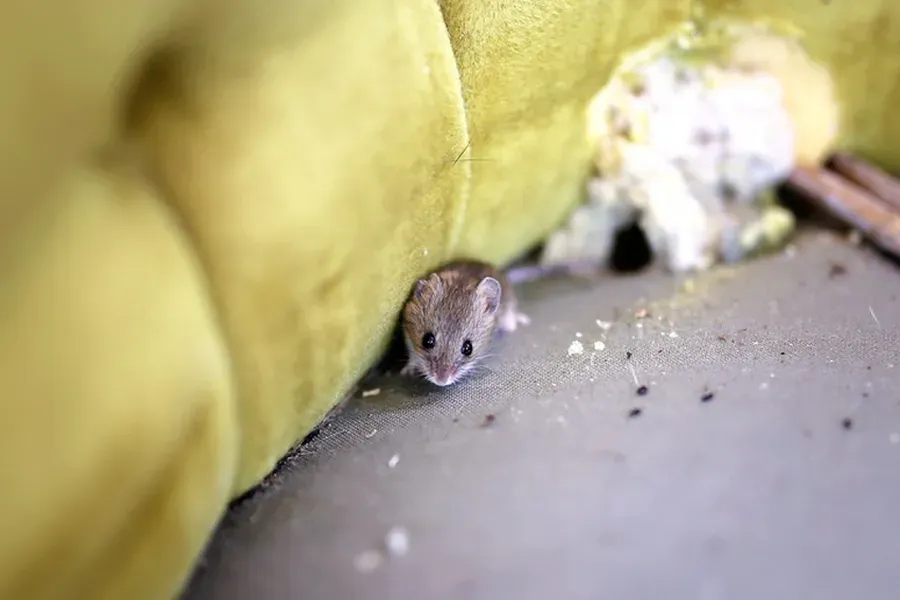
Likely Causes
Indoor rodent activity usually starts with easy access and steady resources. A tiny gap under a door, a broken vent screen, or an opening around pipes can act like a front door. Once mice or rats get inside, they search for routine. They want safe cover during the day and simple routes to food and water at night.
Common food sources include crumbs under appliances, open pantry goods, bird seed, and pet food left out overnight. Water can come from leaky pipes, pet bowls, floor drains, and condensation near heaters or cooling lines. Shelter may include storage piles, attic insulation, crawl spaces, and cluttered cabinets. In many cases, the problem grows because the pests feel undisturbed and can move freely without exposure.
The service category keyword can fit here as part of a broader pest plan, especially when homes have more than one pest issue at the same time. Even so, rodent control needs its own clear plan because mice and rats behave in ways that differ from insects and other wildlife.
What to Check First
Before trying any fix, inspect the areas where rodents are most likely to travel. Focus on the edges of rooms, not the middle. Check under sinks, behind stoves, around water heaters, near garage doors, and around attic access points. Look for droppings, gnaw marks, smears, and entry gaps.
- Check food storage areas for ripped packaging or spilled dry goods.
- Inspect pipe openings under sinks and behind toilets.
- Look behind appliances for droppings or rub marks.
- Search garages and basements for cluttered corners and nesting material.
- Examine door sweeps, vents, and foundation gaps outside.
- Note any water leaks or damp areas.
This step matters because their behavior shows patterns. Mice often explore quickly and nibble from many food sources. Rats are more wary and may avoid new objects for a time. If traps or bait are placed without reading these patterns first, results may be slow.
Safe Fixes Vs Pro-Level Fixes
Some early steps are safe for property owners. These include sealing food in hard containers, cleaning crumbs, removing clutter, and fixing leaks. Snap traps can also help when placed along walls where activity is clear. Traps should face the wall and sit where the rodents already travel.
Still, there are limits to do-it-yourself work. If entry points are hidden, if rats are present, or if activity keeps coming back, a deeper plan may be needed. Pro-level rodent control can include detailed inspections, mapping of movement, targeted trapping, monitoring, sanitation guidance, and exclusion work to block returns. This kind of work is often more effective when pests are inside walls, attics, or hard-to-reach voids.
Care is also needed around children and pets. Loose bait, poor trap placement, and partial sealing can make the issue worse. If rodents die in hidden spaces, odor problems may follow. That is one reason larger infestations often need a trained approach.
Prevention Tips
Stopping future activity means making the property less useful to rodents. The goal is to remove what they need and block how they move. Long-term prevention works best when food, water, shelter, and entry points are handled at the same time.
- Store dry food and pet food in sealed bins
- Clean under appliances and inside cabinets often
- Repair plumbing leaks and reduce moisture
- Seal gaps around utility lines and doors
- Trim outdoor plants away from the structure
- Keep storage off the floor when possible
- Reduce clutter in attics, garages, and basements
It also helps to know that mice are curious and breed fast. Rats are smart and may avoid changes in their space. Because of that, one quick fix rarely solves the full issue. Lasting rodent control usually comes from a mix of cleanup, blocking entry, and direct removal.
When to Call a Professional
You should get expert help if you hear activity in walls, find droppings every day, notice chewing on wires, or suspect nesting in insulation. Fast action also makes sense if you run a business, manage shared housing, or have children, older adults, or pets in the space. A professional can sort out whether you are dealing with mice, rats, or both, then match the fix to the behavior that is happening indoors.
Get Help With the Next Step
If signs of mice or rats are showing up in Sulphur, LA, we can help you figure out what their behavior means and what steps may help next. At Rid-A-Bug, we focus on clear findings and practical rodent control plans. Call us at (337) 527-0067 to talk about the problem and set up a visit.