
Clean Spaces Help Stop Rodents Before They Settle In
Sanitation plays a big part in rodent control because rats and mice go where food, water, and shelter are easy to find. A clean home or business does not always stop every rodent, but it makes the space much less inviting. Good cleaning habits, smart storage, and fast trash removal can lower the risk of infestations and support better long-term results.
Why Prevention Matters
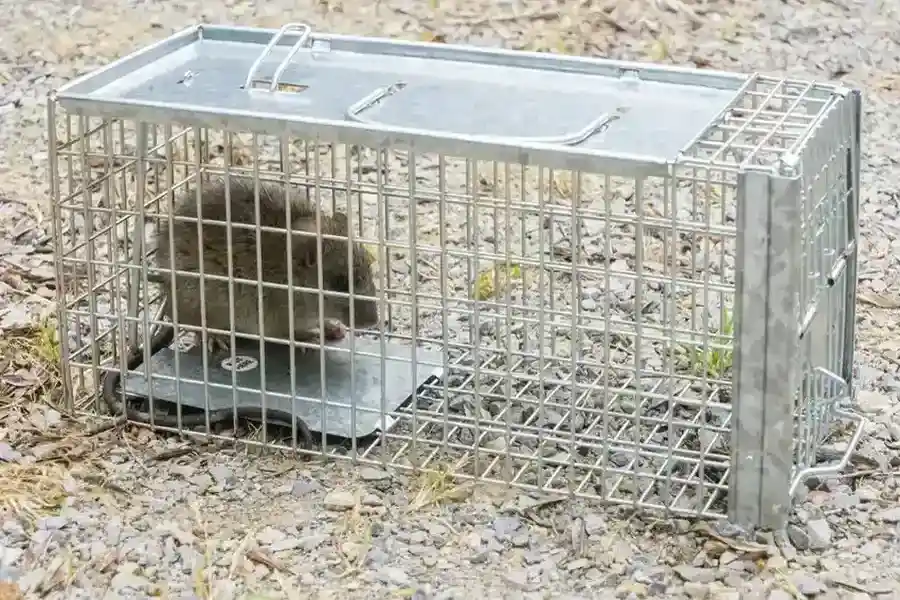
Rodents are always searching for basic needs. They want crumbs, leaks, pet food, clutter, and dark hiding spots. When those things are easy to find, a small problem can grow fast. That is why sanitation matters so much in rodent control. It cuts off the things rodents need to live and breed.
Good sanitation also helps after treatment. If droppings, open food, and standing water stay in place, rodents may return. A trap or bait plan works better when the area is kept clean. In many cases, sanitation is the base that supports all other control steps.
Early Warning Signs
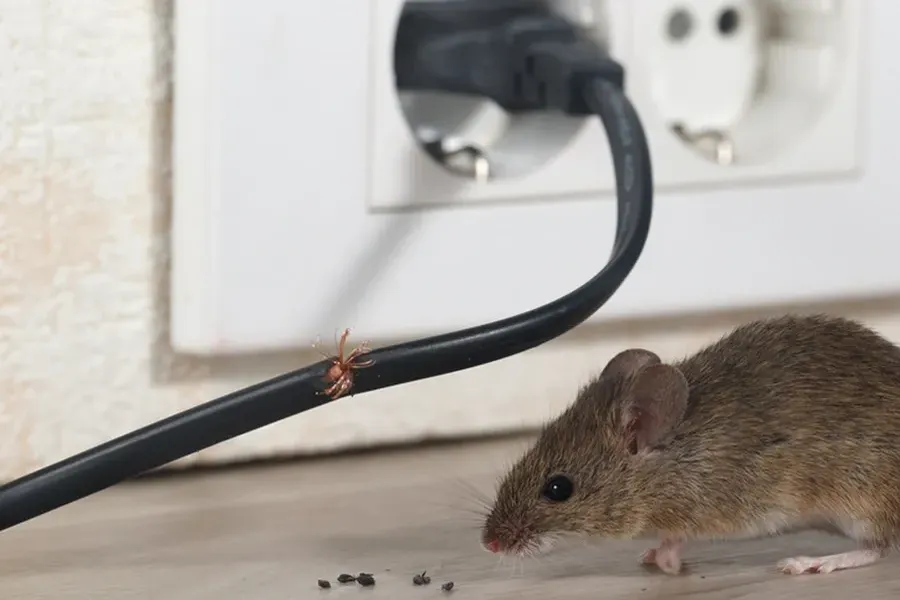
Rodent problems often start quietly. You may not see the animal right away, but the signs are usually there. Spotting them early can help you act before the problem spreads through walls, kitchens, storage rooms, or attics.
- Small droppings near cabinets, food shelves, or baseboards
- Chewed food boxes, bags, or pet food containers
- Grease marks along walls where rodents travel
- Scratching sounds at night in ceilings or walls
- Bad smells from hidden nesting spots
- Shredded paper, fabric, or insulation
If you notice any of these signs, sanitation should start right away. Cleaning alone may not solve an active infestation, but it helps slow the problem and supports the next steps.
Seasonal or Routine Checklist
A simple routine can make a big difference. Rodents often move indoors when weather changes, food gets scarce outside, or shelter is easier to find inside. A regular checklist helps people stay ahead of the problem.
- Clean up crumbs and spills right away, especially in kitchens and break rooms
- Store dry goods, snacks, and pet food in sealed containers
- Empty indoor trash often and keep lids closed
- Fix plumbing leaks and remove standing water
- Clean behind appliances and under sinks
- Trim plants away from the building
- Remove clutter from garages, sheds, and storage areas
- Check for droppings or gnaw marks each week
This kind of routine works well for homes, offices, restaurants, and other service category spaces. It lowers food access and reduces the safe hiding spots that rodents like.
Best Practices for Long-Term Results
Long-term rodent control is about more than one deep cleaning day. It works best when sanitation becomes part of normal upkeep. Daily and weekly habits often matter more than occasional large cleanups.
One best practice is proper food storage. Cardboard and thin plastic are easy for rodents to chew. Hard containers with tight lids are much safer. Another strong habit is limiting overnight food exposure. Dirty dishes in the sink, open snack bins, and pet bowls left out all night can feed rodents.
Moisture control matters too. Mice and rats need water just like food. A small pipe leak under a sink can support rodent activity for a long time. Dry spaces are less attractive. The same goes for clutter control. Piles of boxes, paper, and unused items create nesting spots that are hard to inspect.
It also helps to pair sanitation with exclusion. Even the cleanest space can still get rodents if gaps and holes are open. Sealing entry points around pipes, doors, vents, and foundations supports the cleaning work and improves results.
What Not to Do
Some people make the mistake of using sanitation as the only answer when a full infestation is already active. Cleaning is very helpful, but heavy rodent activity often needs more than that. Another mistake is focusing only on visible areas. Rodents often live behind walls, under equipment, and inside storage clutter.
Do not leave trash bags sitting indoors for long periods. Do not store bird seed or pet food in torn bags on the floor. Do not ignore small leaks because they seem minor. Do not assume one clean day fixes the issue for good. Rodent prevention works best when habits stay consistent.
It is also a bad idea to use unsafe methods around children or pets. Random poison use can create more risk and may not solve the source of the problem. A smarter plan looks at food, water, shelter, and entry points together.
When to Schedule Professional Help
There are times when sanitation efforts are not enough on their own. If you keep finding droppings after cleaning, hear sounds in walls, or see rodents during the day, the problem may be larger than it seems. Businesses that handle food may also need faster action because health and safety issues can grow quickly.
Professional help is a good idea when rodents keep coming back, when nesting is hidden in hard-to-reach areas, or when entry points are hard to find. A trained team can inspect the property, locate activity, and build a plan that combines sanitation, exclusion, monitoring, and treatment. This approach often leads to better rodent control than cleaning alone.
Get Help Building a Cleaner, Safer Plan
if rodent activity keeps showing up in Sulphur, LA, we can help find the cause and build a practical plan. At Rid-A-Bug, we focus on clean, smart steps that support lasting rodent control. Call us at (337) 527-0067 to schedule help or ask questions about your property.