
How to Spot Termite Activity Early and Take the Right Next Steps
Termite problems often start quietly. The first signs may be small, but they can point to bigger damage inside walls, floors, or wood trim. If you notice mud tubes, hollow wood, tight doors, or small wings near windows, act fast. A quick check can help you spot trouble early. The right response depends on what you find, but most people should start by limiting moisture, checking damaged wood, and setting up a professional inspection in Sulphur, LA.
Quick Diagnosis Summary
Termites eat wood from the inside out. That means damage may grow before you see it. A home can look fine on the surface while insects are active behind it. Common clues include soft wood, blistered paint, droppings that look like tiny pellets, and pencil-wide mud tunnels along a wall or foundation. If more than one sign shows up at once, there is a stronger chance you have an active issue that needs fast pest removal.
Common Symptoms
Some signs are easy to miss if you do not know what to look for. Termites do not always leave obvious holes. Instead, they hide and feed in dark, damp spaces. Check basements, crawl spaces, window frames, door frames, and areas near plumbing leaks.
- Mud tubes on foundation walls or support posts
- Wood that sounds hollow when tapped
- Paint that bubbles or looks uneven
- Small piles of wings near doors or windows
- Droppings that look like sand or pepper
- Doors or windows that suddenly stick
- Floorboards that feel weak or soft
These symptoms can be confused with normal wear, water damage, or other pest issues. That is why a full check matters. Some infestations are found only after a closer inspection of trim, attic framing, or crawl space wood.

Likely Causes
Termites like moisture, wood, and hidden paths into a structure. Homes with water leaks, poor drainage, wood touching soil, or damp crawl spaces are more at risk. Mulch stacked too high near the foundation can also attract activity. Old tree stumps, wood piles, and cracked foundation gaps give termites more places to live or enter.
In many cases, the problem starts outside. Rainwater that pools near the home can keep the soil damp for long periods. That gives termites a better place to nest. Once they find a food source, they keep feeding and spreading. This is why pest removal often works best when treatment and moisture control are handled together.
What to Check First
Start with a simple walk around the home. Focus on the lower parts of the structure first. Look at the foundation, porch posts, siding edges, and places where pipes or wires enter. Then move indoors and check wood near bathrooms, kitchens, laundry areas, and basements.
- Look for mud tubes on exterior walls and supports
- Tap exposed wood and listen for a hollow sound
- Check for leaking pipes, damp spots, or musty smells
- Inspect window sills and door frames for soft wood
- Look for insect wings near light sources
- Check crawl spaces and attics if they are safe to enter
Take photos of anything suspicious. That helps track changes and gives a technician a better idea of what is happening. Do not tear open large sections of wall unless a trained expert tells you to. Disturbing the area can make it harder to see the full pattern of activity.
Safe Fixes Vs Pro-Level Fixes
There are a few safe steps you can take right away. Fixing a leak, moving firewood away from the house, and trimming back wet mulch are smart first moves. Improving airflow in a crawl space may also help lower moisture. These steps do not remove an active colony, but they can make the space less inviting.
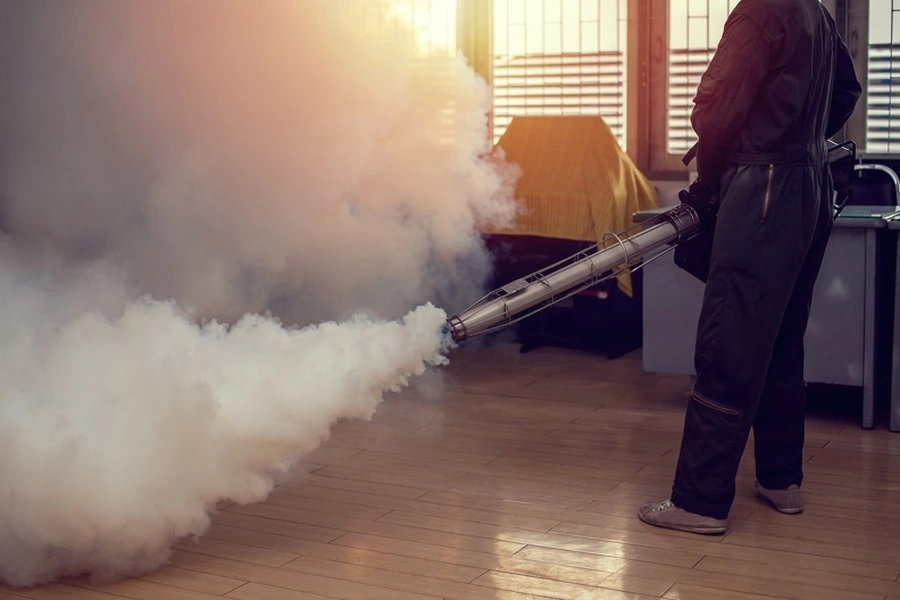
Professional work is different. It may include a full inspection, treatment of soil or wood, bait systems, and follow-up checks. This is where service category planning matters, even if the category keyword is not specified here. A proper treatment plan should fit the home layout, the level of damage, and where termites are entering. If you already see mud tubes or wood damage, a pro-level fix is usually the safer path than trying store products alone.
Prevention Tips
Stopping future problems is just as important as treating current ones. Termites are drawn to conditions that stay damp and hidden. Small home care habits can lower the chances of another infestation.
- Keep gutters clean and direct water away from the foundation
- Repair roof and plumbing leaks quickly
- Leave space between soil and wood siding
- Store lumber and firewood away from the house
- Reduce heavy mulch near exterior walls
- Seal cracks around utility lines and vents
- Schedule routine inspections for early detection
Prevention is not a one-time chore. It works best when you check the home through the year, especially after storms or long wet periods. Many people wait until damage is visible, but early action usually means less repair work later.
Final Recommendation
If you have seen signs of termites, do not wait for the damage to spread. We help property owners in Sulphur, LA find the source of activity and choose the right next step for pest removal. Contact Rid-A-Bug to set up an inspection or ask questions about what you found. Call (337) 527-0067 and let us help you protect your home with clear, practical service.