
How Household Pests Can Spoil Food, Spread Germs, and Create Safety Risks
Pests can harm food storage in simple but serious ways. They chew through boxes and bags, get into dry goods, leave droppings, and spread germs onto food prep areas. At home, this can lead to wasted food, bad smells, and possible health problems for your family. If you have seen insects or rodents near your pantry, cabinets, or pet food, it is a sign that your food safety habits and storage setup may need attention.
Quick Answer
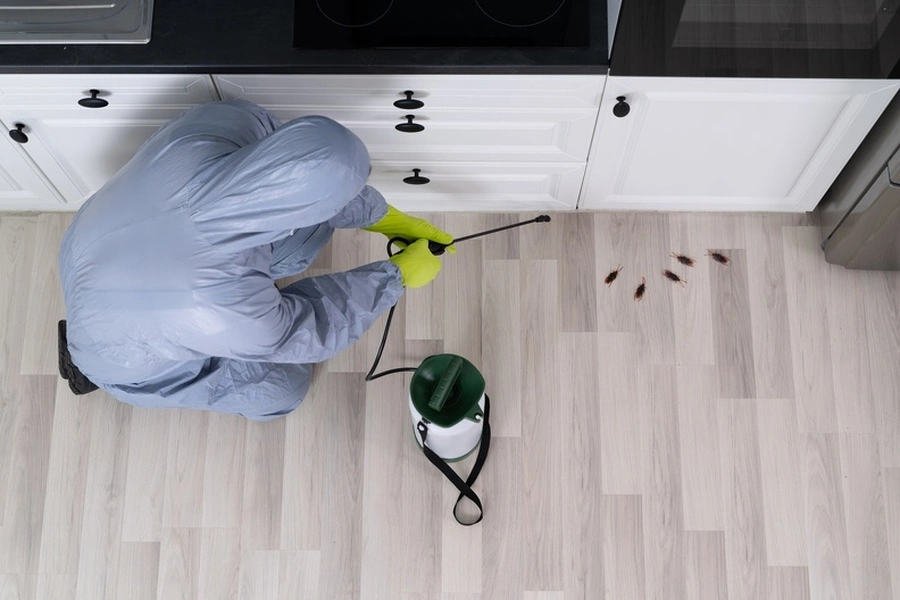
When pests get into a home, they often go straight to food and water. Ants, cockroaches, pantry pests, and mice can all contaminate stored food. Some chew through cardboard, plastic, and thin bags. Others crawl over counters, shelves, and dishes after being in dirty places. This is why pest removal is not just about comfort. It also helps protect the food your family eats each day.
What You Need Before Starting
Before you fix the problem, gather a few basic items and look at the areas where food is kept. Check the pantry, under the sink, near the stove, behind the fridge, and around pet food bowls. You do not need special tools to begin. A careful home check can show where pests are feeding and hiding.
- Trash bags for old or damaged food
- Clear storage bins with tight lids
- Soap and warm water for cleanup
- A flashlight for dark corners
- Gloves for handling dirty packages
- Labels or markers for dates on stored food
If your service category keyword is part of your larger home care plan, add food storage checks to your normal cleaning routine. This helps you spot trouble early.
Step-by-Step Process
A simple plan can help you lower risk fast. Start with the food, then clean the space, then block access. If you skip one part, pests may come back.
- Throw away any food with holes, webbing, droppings, bad smells, or signs of chewing.
- Move safe food into sealed containers made of thick plastic, glass, or metal.
- Wipe pantry shelves, drawer corners, and cabinet edges to remove crumbs and sticky spots.
- Vacuum cracks, baseboards, and the floor under shelves.
- Check for leaks under sinks or behind appliances. Pests need water too.
- Take out trash often and use a can with a lid.
- Store pet food in a sealed bin instead of the original bag.
- Look for gaps around pipes, doors, and vents where pests can enter.
- Watch the area for a week or two for new signs of insects or rodents.
- Call for pest removal if the problem keeps coming back or spreads to more rooms.
Common Mistakes to Avoid
Many people clean up visible pests but miss the reason they showed up. That can lead to the same problem again. Small habits matter a lot when food is involved.
- Leaving cereal, flour, rice, or snacks in thin paper or cardboard packages
- Keeping fruit out too long on the counter
- Forgetting crumbs under the toaster or microwave
- Letting dirty dishes sit overnight
- Ignoring pet food and bird seed storage
- Using spray products near food without reading labels
- Keeping old food in the pantry too long
Another mistake is thinking only the pantry matters. Pests may start in garages, laundry rooms, crawl spaces, or wall gaps, then move toward food. Good pest removal looks at the whole home, not just one shelf.
When to Call a Professional
Some pest issues are small and can be managed with fast cleanup and better storage. Others point to a larger problem. If you keep finding droppings, smell a strong musty odor, hear scratching in walls, or see pests during the day, the infestation may be bigger than it seems. That is often true with cockroaches, mice, and pantry moths.
A professional can help find the source, check hidden entry points, and set up a safe treatment plan. This matters if the pests are spreading to more than one room, getting into baby formula or pet food, or returning after you have cleaned and sealed food. Pest removal also helps when you are not sure what type of pest you are dealing with. Correct ID matters because different pests need different fixes.
Why Food Safety Is at Risk
Pests do more than eat food. They can leave waste behind and carry bacteria from trash, drains, and other dirty areas. Even if a package looks fine at first glance, tiny holes or contact from pests can make the food unsafe. Dry foods like flour, pasta, cereal, nuts, and grains are common targets. So are foods stored in garages or basements where people may not look every day.
This risk gets worse when food is not rotated. Older items sit longer and are easier for pests to find. A good rule is simple: if a package looks damaged or dirty, throw it away. The cost of replacing food is often less than the cost of dealing with sickness or a growing infestation.
Final Recommendation
If pests are affecting food storage at your home in Sulphur, LA, do not wait for the problem to grow. We can inspect the space, help with pest removal, and point out the spots that may be attracting insects or rodents. Contact Rid-A-Bug to talk through the issue and set up a visit. Call us at (337) 527-0067 for helpful next steps.