
How to Match the Right Treatment to the Ants in Your Home
Different ants need different solutions. Some ants follow food trails in kitchens. Others nest in walls, under slabs, or in damp wood. The best ant control plan starts with knowing which ants you are dealing with and where they are coming from. In many homes around Sulphur, LA, the right fix depends on the species, the nest location, and what is drawing the ants inside.
Quick Answer
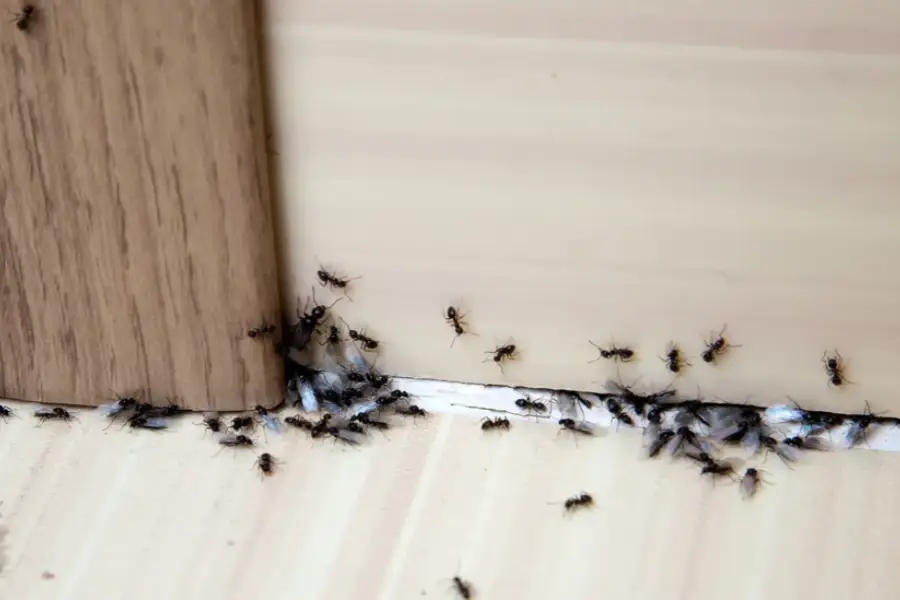
common ant species and tailored control methods go hand in hand. Odorous house ants often need bait placed along active trails. Carpenter ants may need moisture fixes and direct nest treatment. Pavement ants usually respond to exterior treatment and crack sealing. Fire ants often need mound treatment outdoors. A generic spray may kill a few workers, but it often misses the colony. That is why species ID matters so much.
What You Need Before Starting
Before starting any ant control work, gather a few basic facts. Watch where the ants show up, what size they are, and what time of day they move. Check if they are going for sweets, grease, or water. Also look outside for nests near the foundation, garden beds, sidewalks, or tree roots. This gives you a better shot at choosing the right method.
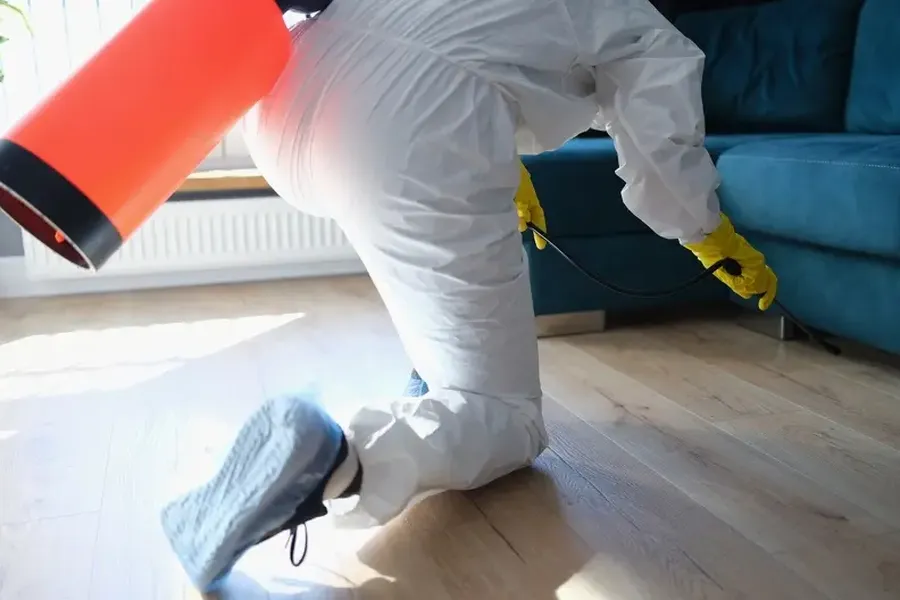
- A flashlight for baseboards, sinks, and corners
- Sticky notes or a phone to mark trail spots
- Sealed bags or containers for food storage
- Soap and water to wipe ant trails
- Bait made for ants, not a general bug spray
Even though the service category keyword is not listed here, many property owners still ask about broader pest service options when ant problems spread to several areas of the home.
Step-by-Step Process
Once you have a basic idea of the ant type and activity pattern, follow a simple process. This helps avoid wasted time and repeat problems.
- Find the main activity areas. Check counters, window sills, pet bowls, and bathroom pipes.
- Watch the trail. Ants often lead you back toward the entry point or nest area.
- Clean food and water sources. Wipe crumbs, spills, and grease. Fix drips if you find them.
- Use the right bait. Sweet bait works for some species. Protein or grease bait works better for others.
- Do not spray over bait. That can stop workers from carrying bait back to the colony.
- Treat entry points outside. Look at cracks, utility lines, door frames, and foundation gaps.
- Monitor for several days. Some colonies take time to collapse after workers bring bait home.
Here is how this works in real life. If tiny brown or black ants keep showing up near a dishwasher, they may be looking for moisture and hidden food. If large black ants appear near a window or damaged trim, there may be damp wood nearby. If ants push dirt from a crack in the driveway, pavement ants may be nesting below the slab.
Common Mistakes to Avoid
Many ant problems last longer because people use the wrong product or act too fast. One common mistake is spraying every ant in sight. That feels helpful, but it can split colonies or stop bait from working. Another mistake is placing bait in clean, quiet areas where ants are not active. Bait needs to be close to trails, but still kept away from kids and pets.
- Using outdoor granules inside the home
- Mixing too many products at once
- Skipping cleanup of food and moisture sources
- Ignoring the yard and foundation
- Stopping treatment too soon
It also helps to avoid guessing the species by color alone. Small black ants are not always the same kind. Nesting habits matter just as much as size or color.
When to Call a Professional
Some infestations are tougher than they look. Carpenter ants can point to hidden water damage. Fire ants can create painful stings and large lawn mounds. Pharaoh ants and other indoor nesting ants may spread if treated the wrong way. If ants keep coming back after cleanup and baiting, there may be more than one colony or a hidden nest inside a wall, attic, or crawl space.
You may want professional ant control if:
- Ants return every week
- You see winged ants indoors
- The nest is inside walls or wood
- Outdoor mounds are spreading fast
- DIY bait is not reducing activity
A trained technician can identify the species, inspect the full property, and use a treatment plan that fits the problem. That may include baiting, crack and crevice treatment, nest targeting, and steps to lower food and moisture access.
Final Recommendation
If ants are showing up in your home or yard, start with species clues, trail tracking, and careful cleanup. Match the product to the ant, not just the place where you see it. If the colony is hidden, keeps returning, or may be causing damage, contact us for help in Sulphur, LA. At Rid-A-Bug, we can inspect the problem, explain the best next steps, and help you choose a treatment plan that fits your property. Call us at (337) 527-0067 to get started.